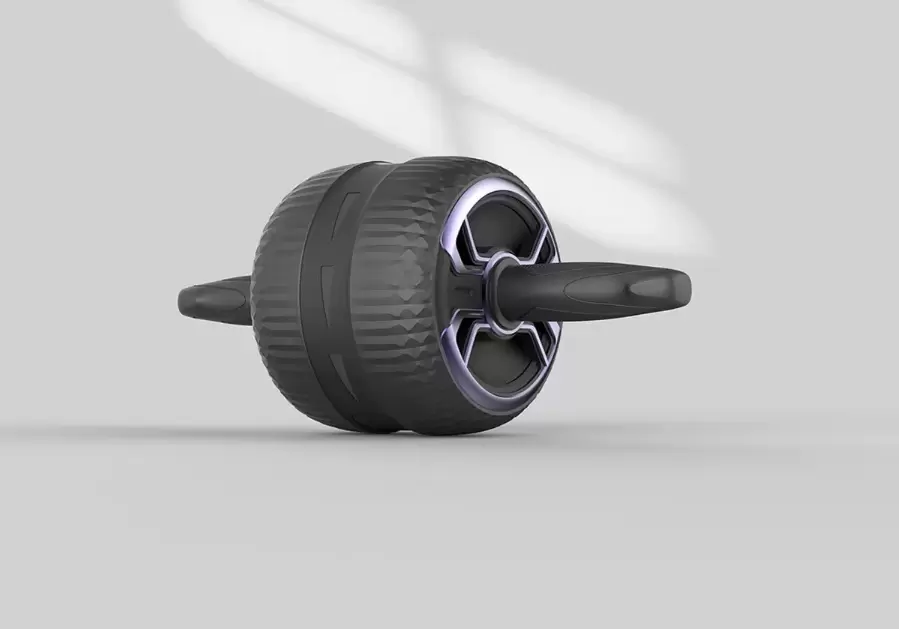
Key Manufacturing Processes Behind High-Quality Ab Wheels
Apr 15, 2026
Optical medical devices have become a cornerstone of modern healthcare, enabling highly accurate diagnostics, minimally invasive procedures, and real-time imaging that supports clinical decision-making. From endoscopic cameras to laser-based diagnostic instruments and advanced imaging sensors, these devices rely heavily on precision-engineered enclosures to protect sensitive optical components.
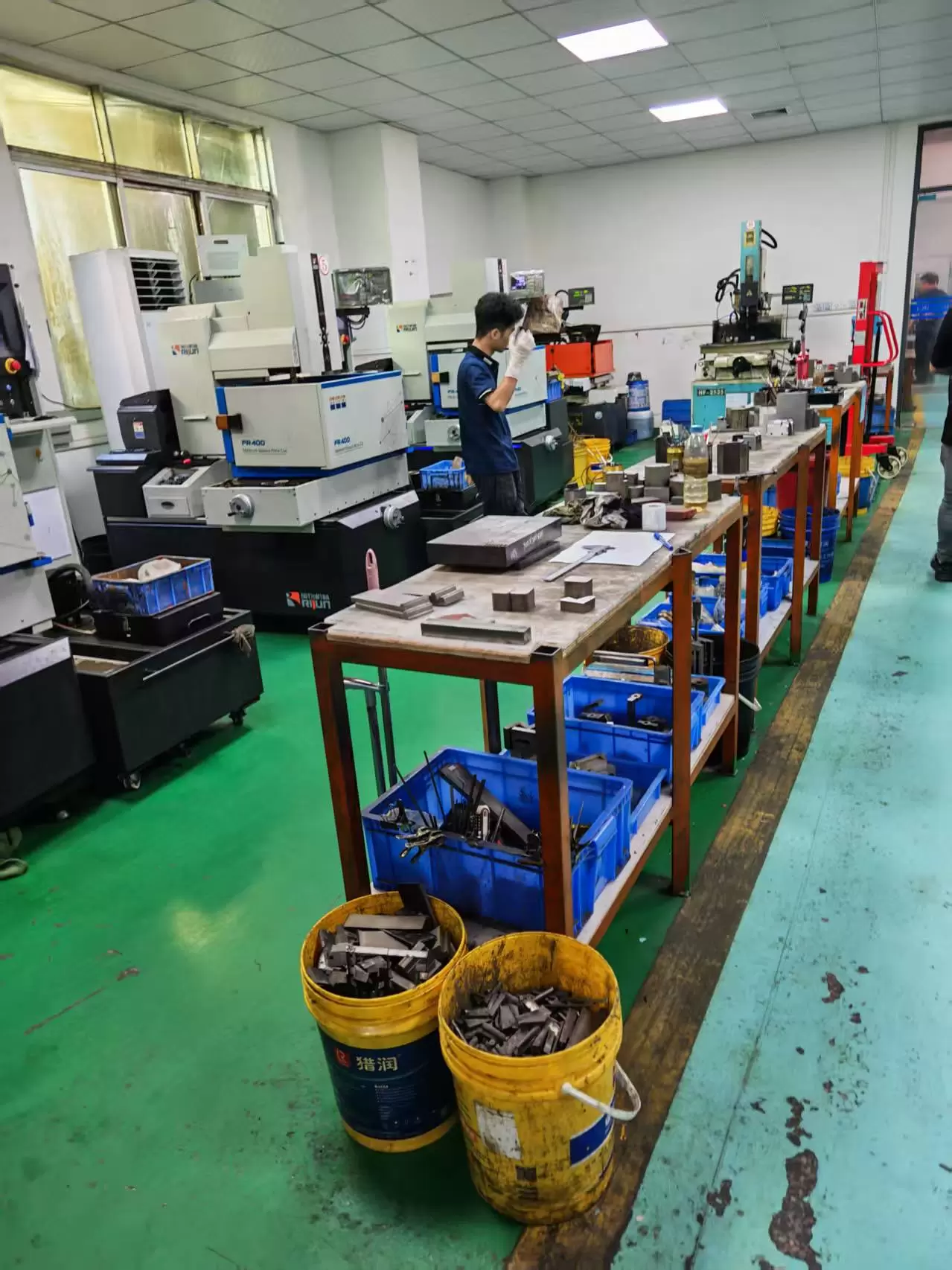
Among all manufacturing methods available today, CNC machining stands out as one of the most essential technologies for producing optical medical device enclosures. Its ability to deliver extreme precision, tight tolerances, and consistent repeatability makes it indispensable in a field where even micron-level deviations can compromise performance.
Unlike standard electronic housings, optical medical device enclosures must meet a much stricter set of requirements:
These requirements leave very little room for manufacturing error. Injection molding or conventional fabrication methods often struggle to maintain the precision and repeatability required for optical-grade assemblies, especially when complex geometries are involved.
This is where CNC machining becomes critical.
CNC (Computer Numerical Control) machining enables manufacturers to produce highly precise components directly from digital designs. For optical medical enclosures, this translates into several key advantages:
Optical systems depend on exact alignment between lenses, sensors, and structural components. CNC machining can achieve tolerances within microns, ensuring that optical paths remain stable and consistent across production batches.
This level of accuracy is essential for devices such as:
Optical medical enclosures often require materials such as aluminum alloys, stainless steel, titanium, or high-performance engineering plastics. CNC machining supports a wide range of these materials while preserving structural integrity and surface quality.
Aluminum, in particular, is widely used due to its excellent balance of strength, weight, and thermal conductivity.
Optical components are highly sensitive to contamination and surface irregularities. CNC machining allows for fine surface finishing processes such as polishing, anodizing, and precision milling, ensuring that enclosures meet medical-grade cleanliness standards.
Modern optical devices are becoming increasingly compact and multifunctional. CNC machining enables the production of complex geometries, internal channels for cooling, and precise mounting interfaces that are difficult or impossible with traditional molding techniques.
Medical device manufacturers often require low-to-medium production volumes with strict quality consistency. CNC machining excels in this environment by delivering repeatable accuracy without the need for expensive tooling changes.
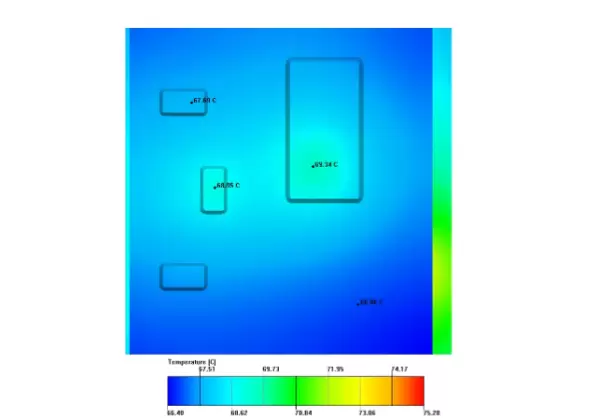
Heat is one of the biggest threats to optical system stability. Even slight temperature changes can cause lens expansion, misalignment, or signal distortion.
CNC-machined enclosures allow engineers to integrate advanced thermal management features directly into the structure, such as:
This is especially important in laser-based medical devices, where thermal fluctuations can significantly affect output accuracy.
SOGOOD is a one-stop manufacturing service provider specializing in product design, thermal simulation, precision hardware, and heat dissipation solutions. The company focuses on designing and producing enclosures, accessories, auxiliary materials, and heat sinks for industries including electronics, communications, automotive, medical, and artificial intelligence.
Founded in October 2009 and headquartered in Shenzhen, China—known as the “City of Design”—SOGOOD has built a strong reputation in industrial innovation. The company brings together experienced industrial designers, structural engineers, and mold engineers, many of whom were involved in the original design teams for Motorola A1200 and A1600.
Its industrial designers have also received Red Dot Design Awards, reflecting the company’s strong design capability and innovation-driven approach.
SOGOOD has served global industry leaders such as Qualcomm, ZTE, Lenovo, NEC, Hans Laser, Philips, Panasonic, Haier, Midea, ASUS, and TCL, providing high-quality engineering solutions that bridge the gap between concept and mass production.
In addition to its Shenzhen headquarters, SOGOOD has a strong engineering foundation established in 2016, focusing on nano-molding technology, CNC precision machining, and mold flow analysis. With over 20 years of CNC and metal nano-molding experience derived from senior engineers formerly working at BYD, the company ensures deep technical expertise across every project.
To ensure consistent quality, SOGOOD operates under an international-standard quality management system and is ISO9001 certified.
You can explore more engineering capabilities and project examples here:
<a href="https://www.sogoodprecision.com/project/">SOGOOD Precision Manufacturing Projects</a>
While CNC machining provides unmatched precision, SOGOOD also integrates metal nano-molding technology to further enhance manufacturing capabilities. This hybrid approach allows:
For optical medical device enclosures, this combination is particularly powerful. CNC ensures structural accuracy, while nano-molding improves surface functionality and micro-level performance.
One of the key advantages of working with SOGOOD is its ability to support the full product lifecycle—from early-stage design to mass production.
Design teams collaborate closely with clients to develop ergonomic, functional, and manufacturable optical enclosure designs.
Thermal simulation and structural analysis are used to optimize enclosure performance before production begins.
CNC machining and nano-molding are applied to produce high-accuracy components.
Strict inspection processes ensure every component meets medical-grade standards.
SOGOOD provides integration-ready parts to streamline final device assembly.
As medical devices become smaller, smarter, and more integrated with digital imaging systems, the demand for precision manufacturing will continue to increase. CNC machining remains essential because it offers:
Emerging technologies like AI-assisted diagnostics and robotic surgery will further push optical systems toward higher complexity, reinforcing the importance of CNC machining in future medical innovation.
CNC machining is not just a manufacturing method—it is the backbone of optical medical device enclosure production. Its ability to deliver unmatched precision, thermal stability, and design flexibility makes it indispensable in a field where performance and reliability are critical.
With companies like SOGOOD combining CNC machining, nano-molding, and advanced engineering design, the medical industry gains access to end-to-end solutions that ensure optical devices perform reliably from laboratory development to real-world clinical use.