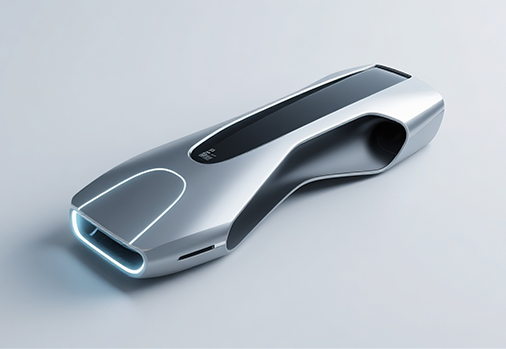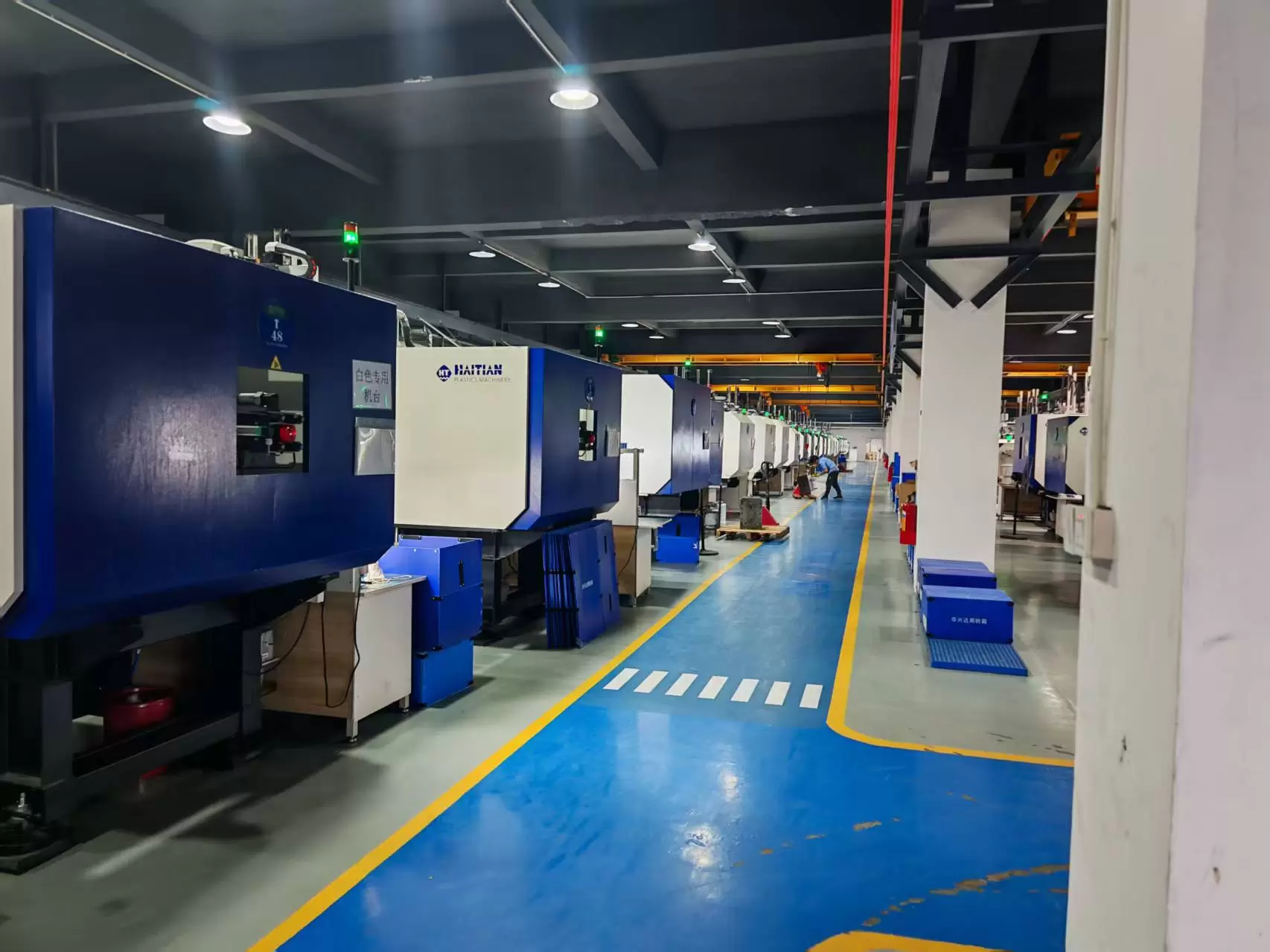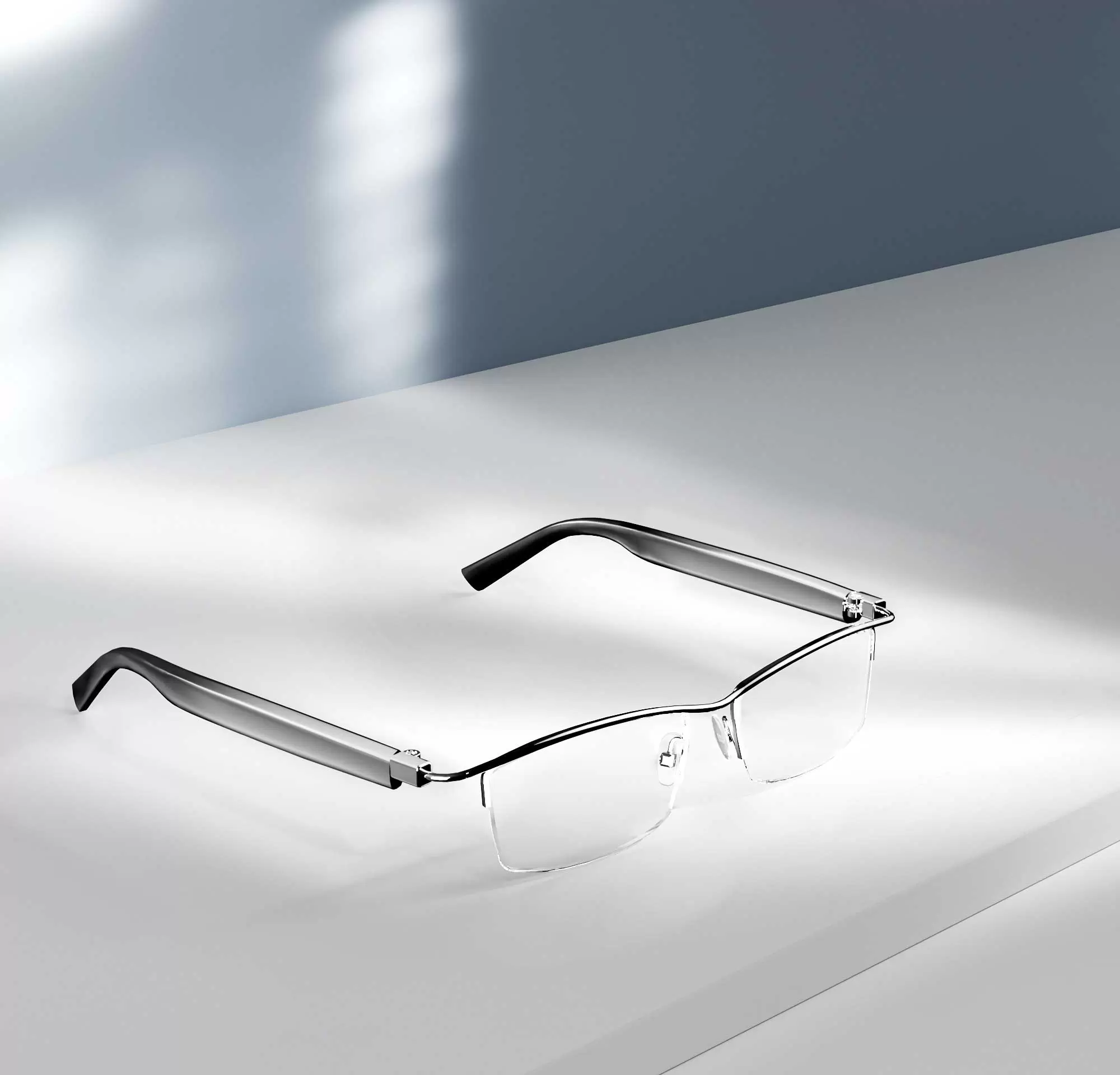
How can the design of smart wearable devices strike a balance between a professional look and a high-tech aesthetic?
Apr 08, 2026
In today's highly competitive manufacturing landscape, choosing the right production partner can significantly impact product quality, development timelines, and long-term business success. For companies developing electronic devices, automotive components, medical equipment, communication products, or AI hardware, one common question arises: should you work with an injection molding factory OEM or choose a local manufacturer?
While both options can deliver molded plastic parts, the differences extend far beyond production location. Factors such as engineering support, tooling expertise, scalability, quality control, and product development capabilities all play important roles in determining the best manufacturing partner.
This article explores the key differences between injection molding factory OEMs and local manufacturers, helping businesses make informed sourcing decisions.
An Original Equipment Manufacturer (OEM) injection molding factory provides manufacturing services that produce products or components according to a customer's specifications, branding, and functional requirements.
Unlike traditional molding suppliers that focus solely on production, many OEM manufacturers offer integrated services that support the entire product development lifecycle, including:
This one-stop approach allows customers to streamline development while maintaining consistent quality across every stage of manufacturing.
Local manufacturers typically operate within the same country or region as their customers. Their primary advantage is proximity, allowing easier communication, site visits, and potentially faster transportation.
Many local manufacturers specialize in specific production processes and may focus primarily on manufacturing rather than comprehensive engineering support.
While local suppliers can be highly effective for certain projects, their capabilities often vary depending on company size, equipment investment, and technical expertise.
One of the biggest distinctions lies in engineering resources.
Many local manufacturers receive completed designs and simply produce components according to provided specifications.
In contrast, established OEM injection molding factories frequently participate in product development from the earliest stages.
For example, companies can receive support for:
This collaborative approach helps identify potential production issues before mold fabrication begins, reducing risks associated with design flaws and manufacturing defects.
Injection molding success depends heavily on mold quality.
A local manufacturer may outsource mold development to third-party tooling suppliers, which can introduce communication gaps and increase lead times.
An experienced OEM factory often maintains dedicated mold engineering teams capable of handling:
Advanced mold design improves:
For high-volume production programs, superior tooling often delivers substantial long-term benefits.
Business growth frequently requires production expansion.
Local manufacturers may excel at small or medium-volume projects but encounter limitations when demand increases significantly.
OEM injection molding factories are typically designed to support:
Their equipment capacity, automation systems, and production planning processes allow customers to scale without changing suppliers.
This continuity reduces transition risks and maintains quality consistency as production volumes grow.
Material selection directly affects product performance.
Modern applications often require engineering plastics with specialized properties such as:
OEM manufacturers generally maintain broader material expertise due to their experience across multiple industries.
This is especially valuable for sectors such as:
Selecting the wrong material can result in premature failures, regulatory issues, or excessive production costs.
Quality assurance standards can vary significantly among manufacturers.
Professional OEM factories often implement internationally recognized quality systems that include:
These systems are particularly important for industries where reliability is critical.
Companies with certified quality management frameworks can provide greater confidence in product consistency across multiple production batches.
Modern manufacturing extends beyond molding.
Many products require additional processes such as:
Working with multiple suppliers can increase project complexity and communication challenges.
A comprehensive OEM partner can consolidate these activities under one management structure.
For businesses seeking integrated engineering and manufacturing solutions, exploring services such as:
<a href="https://www.sogoodprecision.com/service/">One-Stop Manufacturing Services</a>
can simplify project management and improve overall production efficiency.
Lead time is often viewed as an advantage for local manufacturers because of geographic proximity.
However, lead time depends on more than shipping distance.
Factors include:
An experienced OEM supplier with strong internal resources can often reduce overall project timelines despite international logistics requirements.
The key metric should be total project lead time rather than transportation time alone.
Although labor cost is frequently discussed when comparing suppliers, total project value should be the primary consideration.
Factors influencing overall manufacturing efficiency include:
A supplier offering comprehensive engineering involvement can help avoid costly redesigns and production interruptions.
Long-term manufacturing success depends on balancing quality, reliability, and operational efficiency rather than focusing on a single cost factor.
Manufacturing requirements differ significantly across industries.
For example:
Products often require:
Components demand:
Manufacturers must support:
An OEM factory with cross-industry expertise can transfer best practices from multiple sectors, creating additional value for customers.
As products become increasingly complex, manufacturers capable of providing engineering and production under one roof gain significant advantages.
SOGOOD represents this modern manufacturing approach.
Founded in Shenzhen, China's renowned "City of Design," SOGOOD provides one-stop manufacturing services covering product design, thermal simulation, precision hardware, enclosure manufacturing, accessories, auxiliary materials, and heat dissipation solutions.
Serving industries including electronics, telecommunications, automotive, medical, and artificial intelligence, SOGOOD combines extensive engineering expertise with advanced manufacturing capabilities.
The company's core strengths include:
Its engineering team includes experienced industrial designers, structural engineers, and mold specialists, with key members originating from the design teams behind Motorola A1200 and A1600 products.
SOGOOD's industrial design professionals have received prestigious Red Dot Design Awards and have supported globally recognized companies including Qualcomm, ZTE, Lenovo, NEC, Han's Laser, Philips, Panasonic, Haier, Midea, ASUS, and TCL.
Established manufacturing operations focus on innovation, reliability, and customer satisfaction. Senior engineers possess more than two decades of experience in metal nano molding and CNC machining, bringing valuable expertise gained from leading industrial manufacturing environments.
Supported by an ISO9001-certified quality management system, SOGOOD welcomes both OEM and ODM collaborations, helping customers transform concepts into successful commercial products.
When evaluating an injection molding supplier, consider the following questions:
The answers to these questions often reveal whether a supplier can become a long-term strategic partner rather than simply a component vendor.
The choice between an injection molding factory OEM and a local manufacturer depends on project requirements, technical complexity, production volume, and long-term business objectives.
Local manufacturers may offer convenience and proximity, making them suitable for certain applications. However, OEM injection molding factories often provide broader engineering expertise, stronger tooling capabilities, scalable production capacity, and integrated manufacturing services that support product success from concept to mass production.
For companies developing sophisticated products in industries such as electronics, automotive, medical devices, telecommunications, and AI hardware, partnering with an experienced OEM manufacturer can create significant advantages in quality, efficiency, and innovation.
As manufacturing continues to evolve, businesses increasingly benefit from suppliers that combine design expertise, advanced engineering, precision manufacturing, and comprehensive project support within a unified production ecosystem.