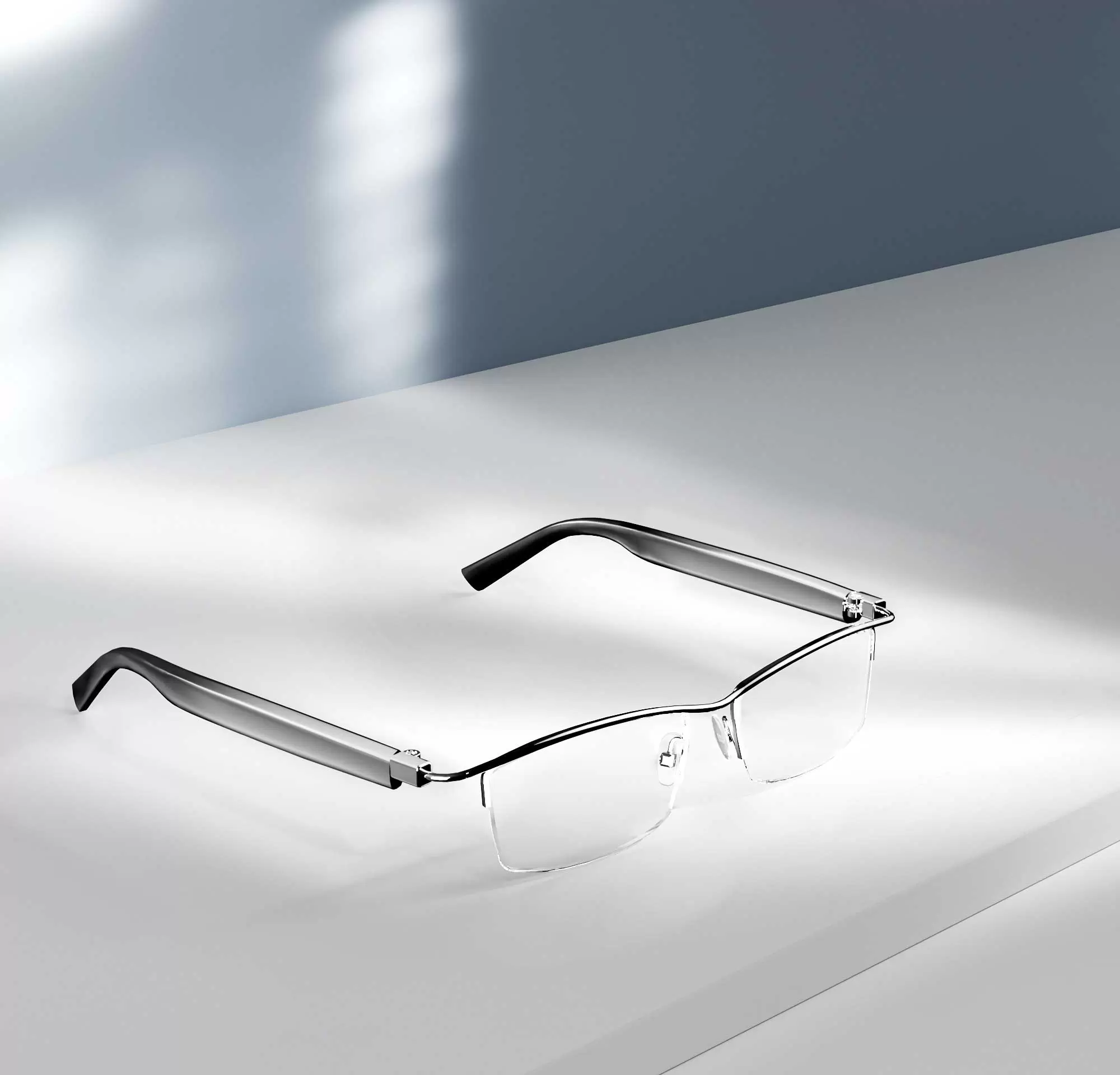
How can the design of smart wearable devices strike a balance between a professional look and a high-tech aesthetic?
Apr 08, 2026
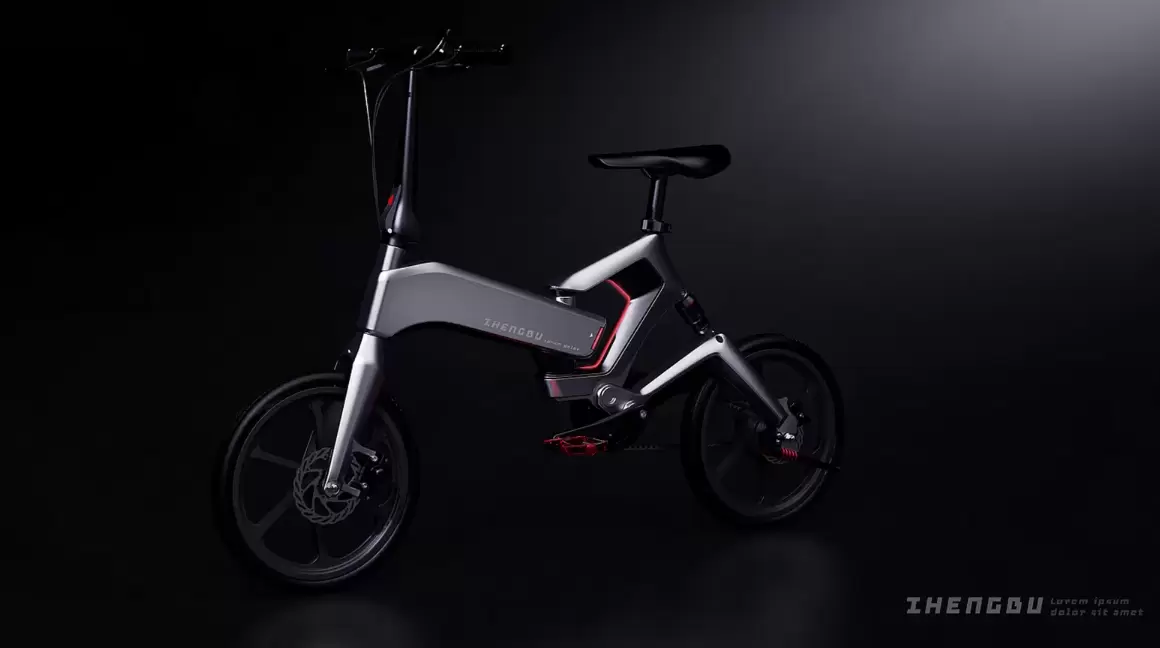
Folding bikes have moved far beyond niche commuter tools. Today, they represent urban mobility, last-mile transportation, eco-conscious living, and even lifestyle branding. If you are building or scaling a folding bike brand, your manufacturer is not just a supplier — they are your long-term strategic partner.
Choosing the right folding bike manufacturer directly impacts product quality, safety, delivery timelines, customer satisfaction, and ultimately your brand reputation. In this article, we’ll break down the practical criteria you should evaluate, the hidden risks to avoid, and how integrated engineering capabilities can give your brand a competitive edge.
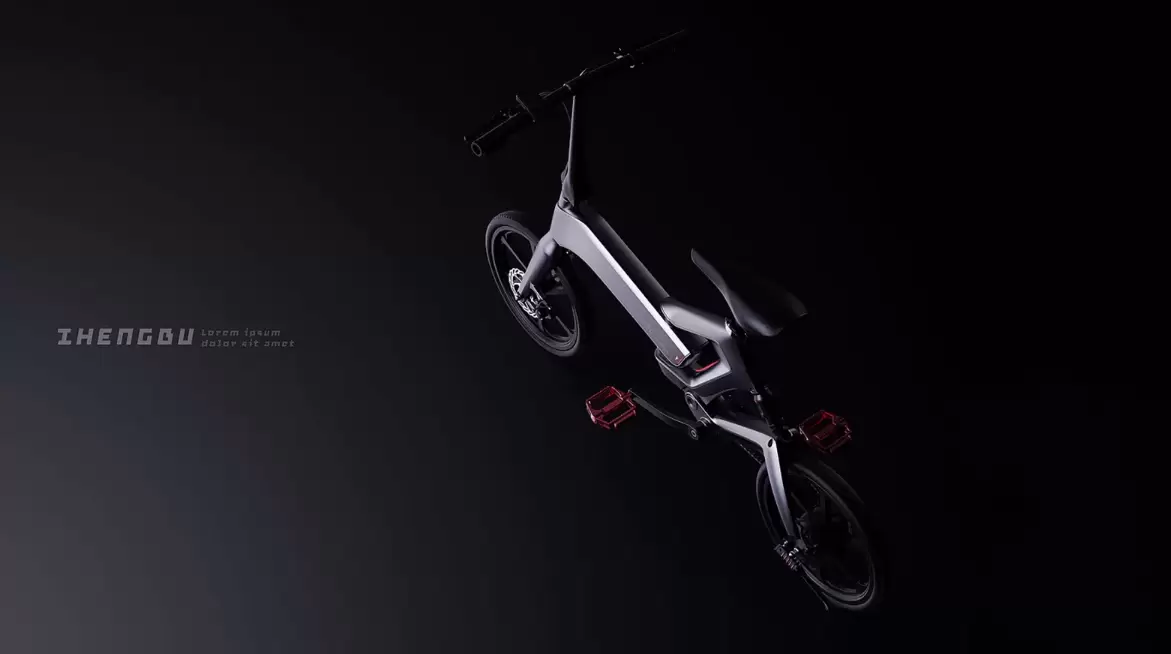
Before reaching out to any manufacturer, you need clarity on:
Target market (urban commuters, premium enthusiasts, campus users, export markets)
Frame material (aluminum alloy, steel, titanium, magnesium alloy)
Folding mechanism type
Weight expectations
Certification requirements (EN, ISO, regional standards)
Volume forecast
Many brands fail because they approach manufacturers without a defined technical brief. The more specific your requirements, the easier it is to identify whether a factory can truly execute.
A reliable manufacturer will ask detailed technical questions instead of immediately quoting.
A folding bike is a precision mechanical system. The hinge structure, locking mechanism, frame geometry, and load-bearing components must withstand repeated stress cycles. This is where engineering strength matters more than assembly capacity.
Look for manufacturers that offer:
Structural analysis and simulation
Mold flow analysis
Heat dissipation and material optimization (important for integrated e-bike systems)
CNC precision machining capability
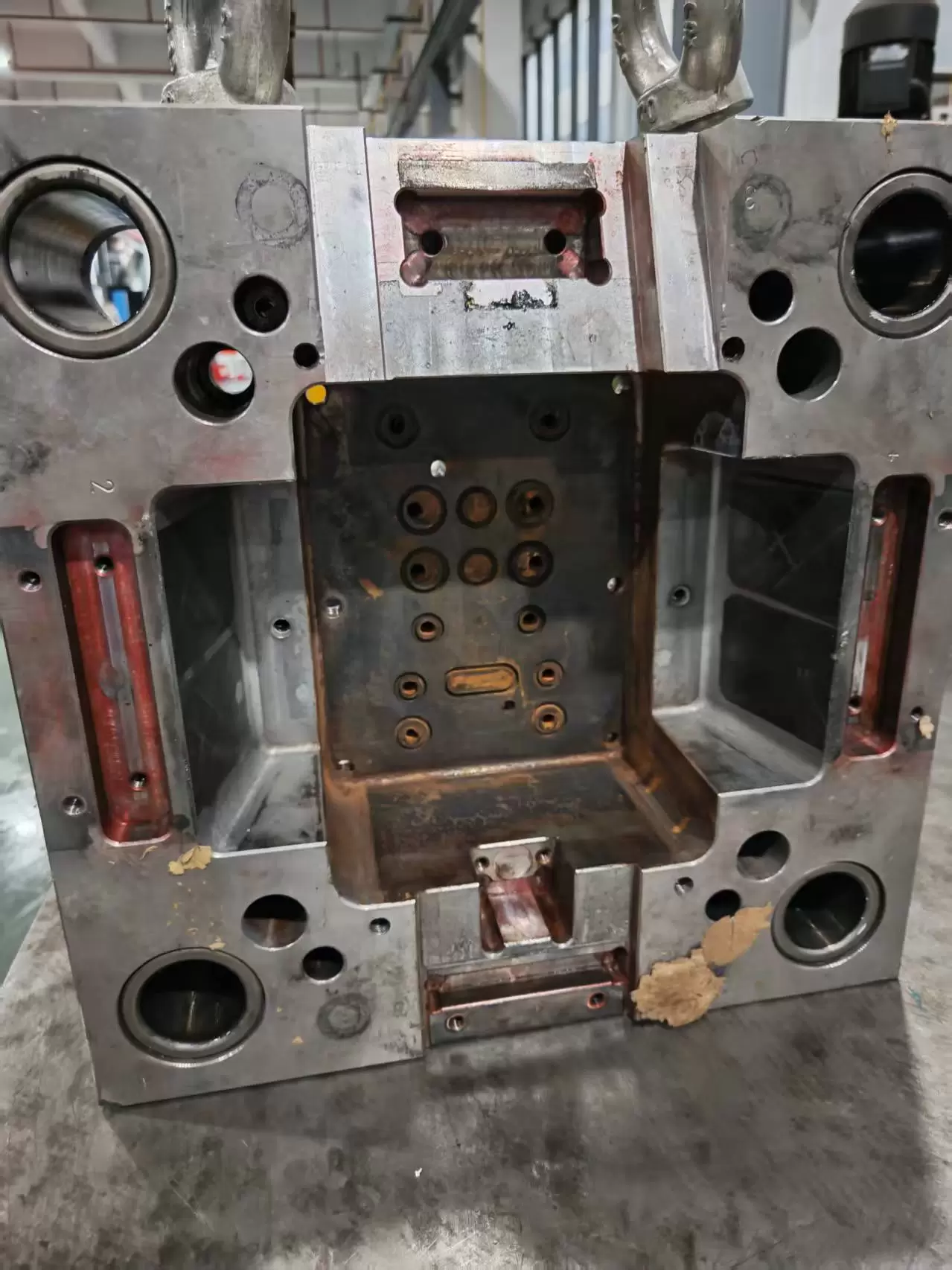
In-house tooling and mold development
For example, companies like SOGOOD provide one-stop manufacturing services covering product design, thermal simulation design, precision hardware, and advanced manufacturing technologies. Their expertise in metal nano forming and CNC machining allows for tighter tolerances and improved structural reliability — critical for folding hinges and frame joints.
If your brand plans to integrate electronic systems (such as electric assist modules), thermal management expertise becomes even more important.
When evaluating a folding bike manufacturer, verify whether they control the core production processes:
Advanced forming technologies affect strength-to-weight ratio and structural consistency. Metal nano forming, for instance, can improve material density and durability.
High-precision CNC machining ensures:
Accurate hinge alignment
Consistent locking tolerances
Reduced mechanical wear
Improved folding smoothness
Anodizing, powder coating, and corrosion resistance testing are critical for long-term durability, especially in humid or coastal markets.
ISO9001 certification should not just exist on paper. Ask about:
Incoming material inspection
Process control documentation
Load testing standards
Fatigue testing cycles
Traceability systems
A serious manufacturer should be able to provide test reports and explain their internal quality flow clearly.
In a crowded folding bike market, differentiation is key. Design is no longer just aesthetic — it includes ergonomics, portability, modularity, and integration.
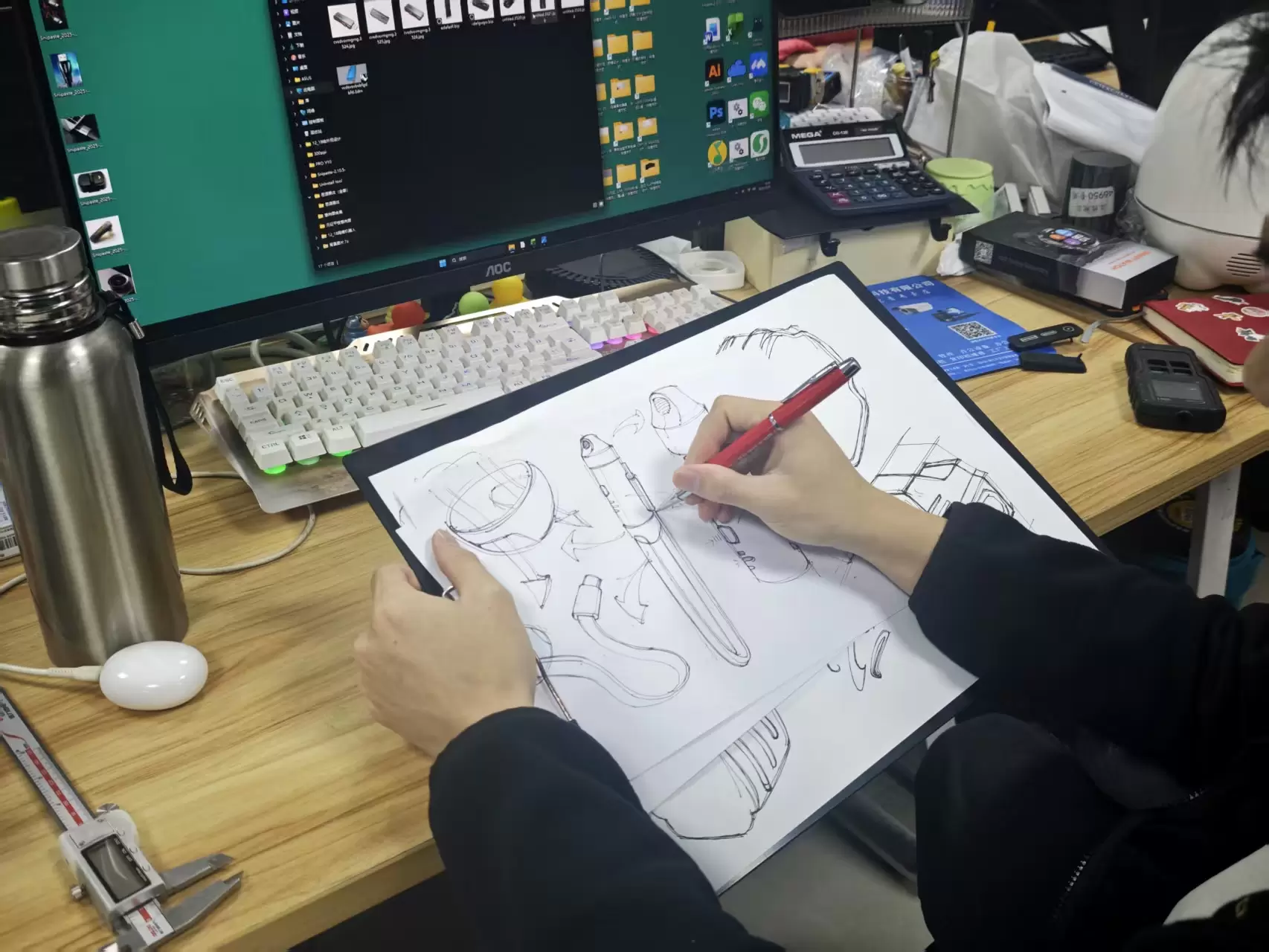
Some manufacturers, such as SOGOOD, have teams composed of experienced industrial designers and structural engineers, including professionals who previously worked on iconic product designs like Motorola’s A1200 and A1600. Industrial design teams with award-winning backgrounds (such as Red Dot recognition) bring valuable cross-industry thinking into product development.
This matters because folding bikes increasingly compete not just on function but on visual identity and lifestyle appeal.
If you plan to develop ODM products, choose a partner that understands both structural engineering and industrial design. The collaboration between aesthetics and mechanical feasibility determines whether your product can move smoothly from concept to mass production.
Manufacturers serving multiple high-tech industries often demonstrate stronger process discipline and innovation capability.
SOGOOD, for example, supports global leaders in electronics, communication, automotive, medical, and AI industries. Working with brands like Qualcomm, ZTE, Lenovo, NEC, Philips, Panasonic, Haier, Midea, ASUS, and TCL requires strict quality control, engineering rigor, and confidentiality compliance.
If a manufacturer can meet the standards of demanding technology clients, they are more likely to manage precision requirements in folding bike production effectively.
Cross-industry experience also benefits e-bike integration, where mechanical systems must coexist with electronic components and battery systems.
You may need different cooperation models at different stages:
OEM manufacturing for existing designs
ODM development for new proprietary models
Engineering customization for specific markets
A capable partner should be open to flexible collaboration models and able to support both catalog-based selection and customized engineering solutions.
If you are exploring ready-made structural platforms, you can review professional engineering implementations such as this folding bike development reference:
folding bike manufacturing solution
This helps you evaluate whether the manufacturer’s technical execution aligns with your performance expectations.
Folding bikes rely heavily on:
Repeated hinge movement
High-cycle fatigue resistance
Compact structural load concentration
Manufacturers with advanced nano forming and precision CNC backgrounds bring measurable advantages:
Improved structural integrity
Better dimensional consistency
Reduced deformation risk
Longer lifecycle performance
SOGOOD’s engineering team, with over 20 years of experience in metal nano forming and CNC machining — including experience from BYD — reflects the type of deep process knowledge that reduces long-term failure risks.
This technical depth is especially valuable for brands targeting high-end or export markets.
Engineering capability alone is not enough. Execution depends on communication clarity.
Key factors to evaluate:
Dedicated project manager availability
Response speed
English communication ability
Technical documentation standards
Prototype iteration cycle time
Transparent problem-solving process
Ask about their sample development timeline and revision management system. A professional partner will have structured documentation rather than informal messaging-based coordination.
As your brand grows, your production partner must scale with you.
Ask about:
Core material suppliers
Backup supplier strategies
Production capacity per month
Lead time during peak season
Long-term expansion plans
Factories established in manufacturing hubs like Shenzhen often benefit from mature industrial ecosystems, skilled labor pools, and component availability.
Founded in Shenzhen, a recognized design and innovation hub, SOGOOD leverages regional supply chain advantages while maintaining a modern quality management system.
Before finalizing a long-term agreement:
Visit the factory if possible
Inspect machining centers and assembly lines
Review quality control stations
Check warehouse organization
Observe workflow management
If physical visits are not possible, request live video tours and third-party inspection reports.
Pay attention to details: cleanliness, labeling systems, documentation boards, and employee workflow discipline reveal more than marketing materials.
A reliable folding bike manufacturer should not just deliver products — they should help you reduce risk, optimize design, and improve cost efficiency through engineering refinement.
The best partnerships are built on:
Transparent communication
Engineering collaboration
Shared innovation goals
Continuous improvement mindset
Companies that emphasize seamless integration from R&D to market launch demonstrate a long-term orientation rather than short-term transactional thinking.
SOGOOD positions itself as a one-stop manufacturing partner, helping clients bridge product development and commercialization through reliable engineering, innovation-driven design, and attentive service.
Choosing a reliable folding bike manufacturer requires far more than comparing quotations or production capacity. You must evaluate engineering depth, precision manufacturing capability, design strength, quality management discipline, and long-term partnership philosophy.
A technically strong partner with nano forming, CNC precision machining, industrial design excellence, and cross-industry experience can significantly reduce product failure risk and accelerate time-to-market.
For brands entering or scaling in the folding bike sector, the right manufacturer is not just a factory — it is the backbone of your brand’s structural integrity and reputation.